When considering global shipping, mastering the logistics of transporting goods is essential. A 20 ft cargo container stands as a reliable choice. Its size offers flexibility for various shipments, making it popular among businesses worldwide. Shipping companies often prefer this standard size due to its efficiency.
However, purchasing a 20 ft cargo container can be complex. Buyers must understand market fluctuations and container conditions. Deciding between new and used containers adds another layer of consideration. It's crucial to assess the container's integrity. Worn-out containers might save money initially but could lead to additional costs later.
Many buyers overlook important aspects such as delivery. Logistics don't end at the purchase; the right transportation is vital. Experienced buyers emphasize planning for unexpected challenges. A well-researched approach will ensure your 20 ft cargo container truly meets your shipping needs.
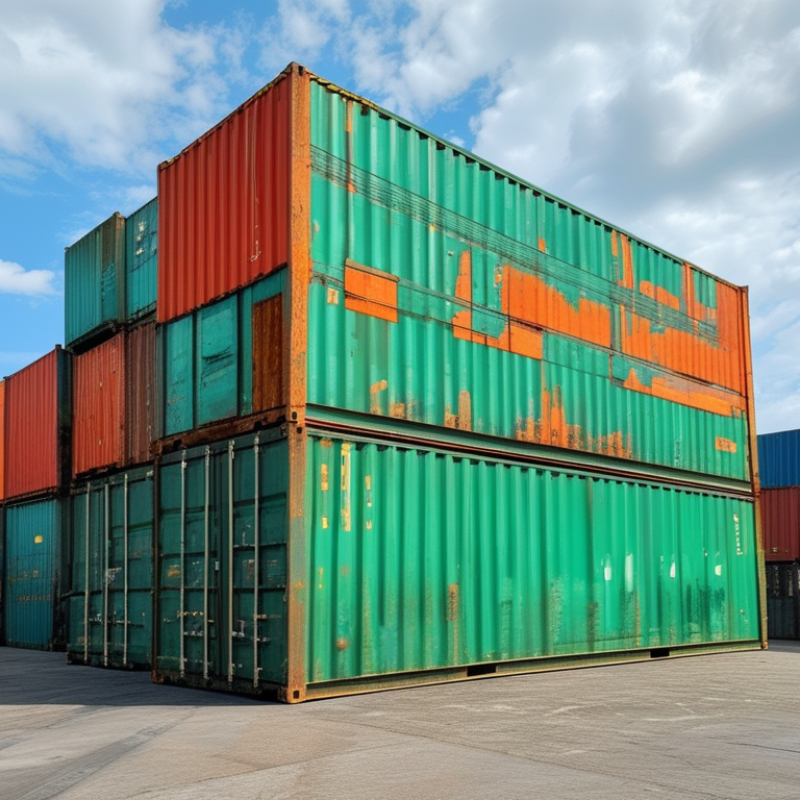
When considering a 20 ft cargo container for global shipping, it's essential to understand its specifications and functionality. These containers are designed to hold a significant volume, typically around 33 cubic meters. They are primarily used for transporting goods across seas and land. Knowing the basic dimensions and weight capacity helps in planning your shipments effectively.
Understanding container types is crucial. There are standard and high-cube containers. High-cube models offer more internal height, which can be beneficial for specific cargo. Assess your shipping needs before deciding. Weight distribution is another crucial factor. Overloading a container can lead to shipping delays, fines, or even accidents. Ensure that the cargo is evenly distributed to avoid compromising safety during transportation.
Consider the following aspects when purchasing your container. Inspect it thoroughly for any damage or rust. It's best to buy from reputable suppliers who provide quality assurances. Always verify ownership and documentation to prevent any complications. Moreover, plan for the container’s storage and transportation once purchased. These decisions can impact overall shipping efficiency and costs significantly.
| Dimension | Specification | Capacity (CBM) | Weight (Tare Weight) | Price Range (USD) |
|---|---|---|---|---|
| 20 ft | Dry Container | 33.2 | 2.3 | $1,500 - $3,000 |
| 20 ft | Reefer Container | 28.4 | 2.5 | $3,000 - $5,000 |
| 20 ft | Open Top Container | 33.2 | 2.5 | $2,000 - $4,000 |
| 20 ft | Flat Rack Container | 32.5 | 2.5 | $1,800 - $3,500 |
| 20 ft | High Cube Container | 33.2 | 2.4 | $1,700 - $3,200 |
When considering the purchase of a 20 ft cargo container, it's essential to identify your shipping needs clearly. Think about the volume and type of goods you plan to ship. Are they perishable? Fragile? Determine the weight and dimensions of your cargo to ensure proper fit and safety during transit. Underestimating these factors can lead to costly mistakes and logistical challenges.
Container specifications vary significantly. Look for containers that offer the interior space you require. Standard cargo containers are typically 20 feet long, but height and width can differ. Consider the material as well; steel containers are durable but heavier. Reflect on whether you need ventilation or insulation based on your cargo type. A lack of these features could damage sensitive items.
It's crucial to assess the condition of the container itself. Inspect for rust, structural integrity, and any signs of previous damage. A poorly maintained container could lead to future problems. Remember, the price should reflect the condition and specifications you need. Before commitment, weigh these factors carefully to avoid regrets later on.
When considering purchasing a 20 ft cargo container, researching suppliers is crucial. Start by exploring online platforms where various vendors list their units. Check customer reviews to gauge reliability. Pay attention to ratings and feedback; they often reveal both strengths and weaknesses in service.
Comparing prices across multiple suppliers is equally important. Request quotes from different sources and ensure you understand what each includes. Some may offer free delivery, while others might not. It can be tempting to go for the lowest price, but consider the quality of the container too. Not all containers are created equal; some may have hidden damages affecting your shipping.
Visit local suppliers if possible. Personal interactions can provide insights that online research cannot. Discuss their experience and expertise in the cargo container market. A knowledgeable supplier can guide you in selecting a container that meets your needs. Reflect on your priorities: Is it price, quality, or delivery time? Balancing these factors is key to making an informed decision.
When considering the purchase of a 20 ft cargo container, evaluating shipping and delivery options is crucial. Understanding the logistics ensures you make an informed decision. Different methods of transportation can affect your overall costs and delivery timelines.
Road transport is common but may face delays. Sea freight might be cheaper but involves longer waiting times.
Request multiple quotes from shipping companies. Compare their services based on reliability and customer reviews. A lower price might not guarantee safe or timely delivery. Consider the container's final destination as well. Some locations might require specialized equipment for delivery, impacting your choice.
Remember to check for any additional fees. Customs duties, insurance, and handling charges can quickly add up. Transparency is key in the shipping process. It can be frustrating to deal with hidden costs later on.
Aim for clear communication with your chosen shipping company. Their experience in handling containers can make a significant difference in your purchasing journey. Being proactive can help avoid potential pitfalls.
When finalizing payment and documentation for a 20 ft cargo container, clarity is crucial. Industry reports indicate that over 70% of importers encounter issues related to documentation errors. Ensure all necessary documents, such as the Bill of Lading and Arrival Notice, are correctly completed. A single error can delay shipments and increase costs significantly.
Consider establishing a payment method that offers protection. Many buyers use escrow services to minimize risks. According to logistics analytics, transactions involving escrow result in a 50% reduction in disputes. Verify that the payment terms align with delivery schedules to avoid complications. Read through contracts carefully; misunderstandings in payment terms can lead to frustrations.
Always keep a backup of all records. Documentation acts as proof in disputes. Relying solely on digital copies can be risky if technical issues arise. Regular audits of shipping documents can prevent errors. Industry statistics show that meticulous document management can reduce delays by up to 30%.
Managing the finalization phase requires diligence and attention, especially when facing complex requirements. Even minor oversights can result in costly delays. Engaging with experienced professionals can ensure a smoother process and minimize the potential for overlooked details.