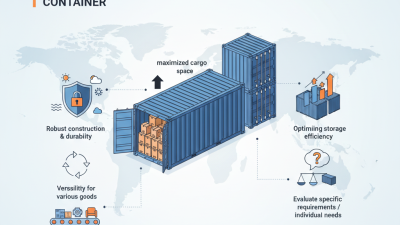
Choosing the right 20 ft high cube container can be a daunting task. These containers offer extra height, providing more storage space than standard containers. They are ideal for various applications, including shipping and storage. However, not all 20 ft high cube containers are created equal.
You must consider your specific needs. Are you shipping bulky items or need more vertical space? Understanding your requirements is crucial. Factors like material quality, durability, and cost significantly impact your choice.
Additionally, experiences from others in the industry can guide you. You may learn about potential issues, like humidity or pest protection. Gathering insights helps to refine your decision. This ensures you select a container best suited for your situation.
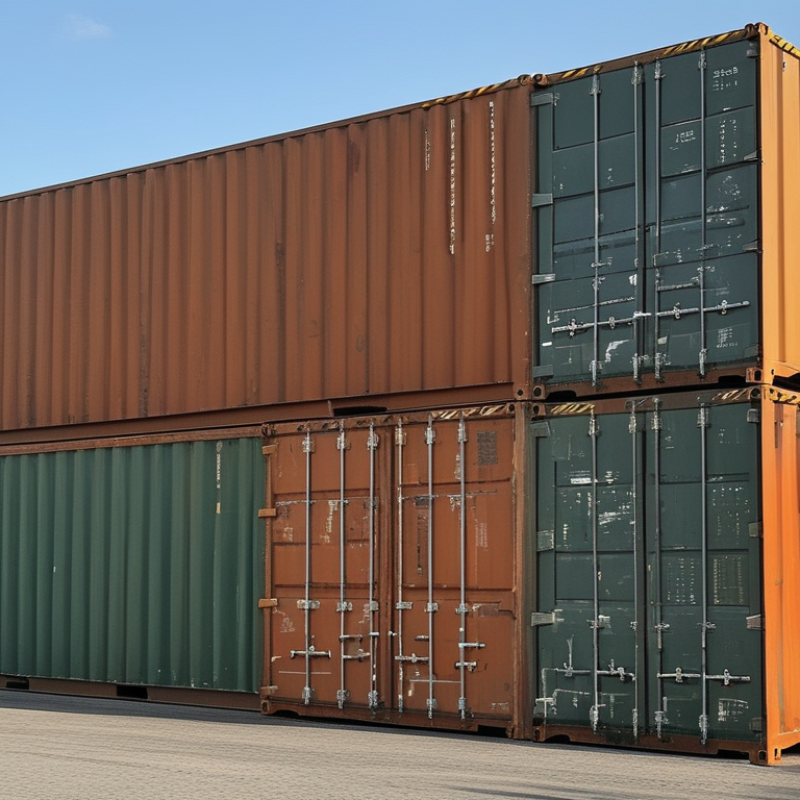
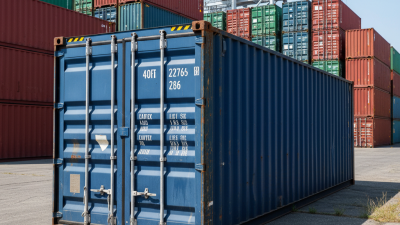
When considering a 20 ft high cube container, understanding its basic features is essential. This type of container offers additional height compared to standard containers. It typically stands at 9.5 feet tall, providing extra space for storing larger items. If you have bulky goods or need to maximize storage efficiency, a high cube container is an excellent choice.
Before making a purchase, evaluate your specific needs. Think about the type of items you plan to store. Weight and volume are crucial. You may need to check if your items can fit comfortably within the container’s dimensions. It’s common to underestimate the space required, leading to potential issues later. Make a list of your items and their dimensions to avoid surprises.
When assessing your options, consider where you will place the container. Accessibility is vital. Will there be enough room for trucks to deliver or pick it up? Environmental factors matter too. Moisture, wind, and sunlight can affect the condition of your stored goods. If your choice doesn’t address these issues, it might not be the best fit for long-term storage. Think critically about these factors to ensure your container serves you well.
Choosing the right 20 ft high cube container requires careful consideration of several key factors.
The first step is assessing your storage needs. A high cube container offers extra height, which can be beneficial for taller items.
Think about what you are storing. Will it require vertical space? Evaluate if you need the added room for equipment or inventory.
Next, consider the weight capacity of the container. High cube containers typically can hold a significant amount of weight, but it's essential to check your specific requirements.
Make sure your items won’t exceed the container’s limits. Overloading can lead to damage or safety risks.
Examine the container's condition as well. Look for signs of wear and tear, such as rust or dents. This ensures the longevity and reliability of your storage solution.
Lastly, think about ventilation and accessibility. Some items may require air circulation to prevent moisture buildup.
If so, select a container with proper vents. Accessibility is also crucial. Determine whether you'll need to move items in and out frequently.
This could influence your choice of doors or whether to use a single or double door design.
Balancing these elements is essential to find the right container for your needs.
When considering a 20 ft High Cube Container, understanding its differences from a standard container is vital. A high cube variant offers an additional one foot in height, totaling 9.5 feet compared to the 8.5 feet of standard containers. This extra height translates into approximately 11% more cubic space. According to industry reports from the World Shipping Council, this increased capacity can be beneficial for shipping large volumes of goods or bulky items.
Efficiency is another crucial factor. A standard container typically has a load capacity of around 28,200 kg. In contrast, the high cube can handle similar weight but offers more room for vertical stacking. If your cargo includes oversized items, high cubes can optimize load space significantly. However, it’s important to recognize that they can be less stable in high winds due to their taller design. Port authorities have also noted a potential for increased handling costs when using high cubes due to their size.
The choice between these containers should consider both height and weight. For example, a high cube may not fit all shipping routes due to size restrictions. A study by Container Management highlighted that approximately 15% of vessels can only accommodate standard height containers. Balancing your shipping needs with these nuances is essential for making the right choice.
| Feature | 20 ft High Cube Container | Standard 20 ft Container |
|---|---|---|
| Internal Height | 2.69 meters (8.10 ft) | 2.39 meters (7.87 ft) |
| Volume | 38.3 cubic meters (1,360 cubic ft) | 33.2 cubic meters (1,173 cubic ft) |
| Maximum Payload | 30,480 kg (67,196 lbs) | 28,300 kg (62,400 lbs) |
| Empty Weight | 2,300 kg (5,070 lbs) | 2,300 kg (5,070 lbs) |
| Accessibility | Better for tall items | Standard for general cargo |
| Applications | Construction materials, furniture | Machinery, food products |
When choosing a 20 ft high cube container, assessing your storage and transport needs is crucial. Consider what you plan to store. If your items are bulky or oversized, the extra height can make a significant difference. For instance, furniture, machinery, or construction materials often benefit from that added space. Think about how often you will access your items. Frequent access might warrant a different layout or even a different container type.
Next, consider weight limits. Each container can handle a maximum weight. If you're storing heavy items, it's vital to know this limit. Overloading can lead to safety hazards during transport. Reflecting on the container's condition is also essential. Inspect for rust or structural damage. A worn container might not protect your goods effectively. Think about the duration of storage or transport. Short-term needs might differ from long-term solutions, impacting your choice.
Evaluate logistics as well. Examine how the container will fit into your location. Ensure there's enough space for loading and unloading. If you're working in a busy area, traffic can affect timing. Identify potential challenges during transport. Sometimes, navigating tight streets or dealing with permits for larger containers adds complexity. Each of these factors plays a role in finding the right container for your needs.
When considering a 20 ft high cube container, budget plays a significant role. Prices vary based on condition and location. New containers offer longevity but come at a higher price. Used containers provide cost savings but may require repairs. Assessing these options is crucial.
Evaluate additional costs. Delivery fees, modifications, and maintenance can quickly add up. A thorough understanding of total expenditure is important. Can you afford unexpected expenses? Consider the potential for rental instead of purchase. Rental fees are often lower, allowing flexibility for your operations.
Ensure your budget accommodates your specific needs. Do you need the container for storage or shipping? Each purpose requires different features and standards. Clarifying your requirements can save time and money. Always consult with experts or seek advice from someone with experience. Balancing quality and price is essential. Mistakes in this area can lead to unforeseen issues later.