Choosing the right 30ft container starts with understanding your cargo, site, and handling equipment. A container may look spacious, yet internal dimensions can vary by manufacturer. Measure the longest item, widest point, and tallest packed load. Leave room for doors, padding, and safe movement. A few extra centimeters can prevent expensive problems.
Container logistics specialist John Fossey often stresses, “The right container begins with the cargo, not the empty space.” This principle matters when selecting a 30ft container for construction materials, machinery, storage, or controlled transport. Check the container’s internal length, door opening, floor rating, ventilation, and weather seals. Inspect the floor for soft areas. Look closely at corner posts and roof joints. Fresh paint can hide old damage.
Think about the journey, not only the loading day. Confirm that trucks, cranes, gates, and storage yards can handle a 30ft container safely. Ask suppliers for verified specifications, inspection records, and clear photos. A new-looking unit is not automatically reliable. A used container may perform well if it has been professionally inspected.
There is no perfect choice.
This guide will compare practical options, including standard, insulated, high-cube, and modified designs. It will also examine cost, availability, delivery access, and long-term maintenance. Some recommendations may change after a site visit. That is worth admitting. Real conditions often challenge neat planning spreadsheets. The best 30ft container is the one that protects the cargo, fits the location, and supports safe, efficient handling.
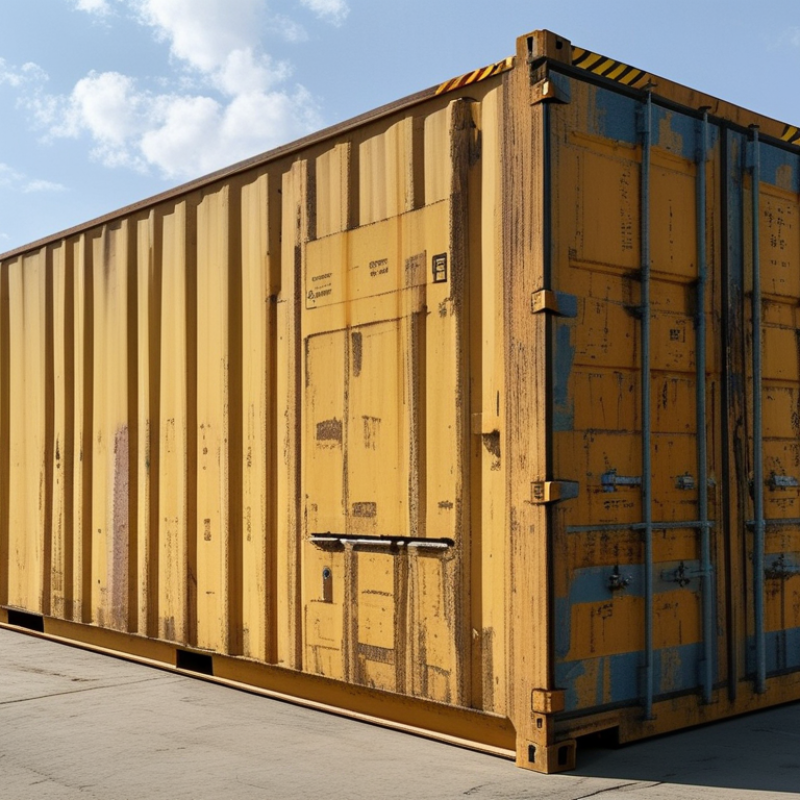
A 30ft container can offer approximately 66 m³ of internal capacity, depending on its design and height. Treat this figure as a planning ceiling, not a guaranteed loading volume. The International Organization for Standardization defines container dimensions and ratings under ISO 668, but usable space changes with wall thickness, door clearance, and floor construction. Measure the cargo first. Then compare its packed volume with the container’s internal dimensions.
Leave practical space for handling. A realistic target may be 80–85% of 66 m³, or roughly 53–56 m³. This allowance supports airflow, securing equipment, pallet gaps, and uneven carton shapes. The 2024 UNCTAD Review of Maritime Transport reports that shipping carries over 80% of global merchandise trade by volume. That scale makes efficient packing important, but volume alone can mislead. A dense machine may reach the container’s mass limit before filling its cubic capacity. Check the certified maximum gross mass and cargo weight distribution.
Create a loading plan using carton dimensions, pallet footprints, and aisle requirements. Photograph the trial arrangement. It exposes wasted corners quickly. My practical caution is simple: do not trust a spreadsheet without a physical test. Rounded carton measurements, damaged pallets, or access needs can reduce capacity unexpectedly. A 66 m³ estimate is useful, but the correct container depends on both cubic volume and verified payload.
Compare your estimated cargo volume with the approximate 66 m³ internal capacity of a 30ft container. Leave practical space for packing gaps, protection, and load securing.
Planning guide: Cargo below 55 m³ generally allows useful working space, while volumes near or above 66 m³ may require tighter packing, volume reduction, or a larger container.
How to Choose the Right 30ft Container for Your Needs?
A 30ft container should fit your site before you consider its capacity. Verify the external dimensions carefully: about 9.1 meters long, 2.44 meters wide, and 2.59 meters high. These measurements describe the outer frame, not the usable internal space. Manufacturing tolerances, corner fittings, doors, and roof details can change the clearance slightly.
Measure twice.
Use a steel tape or laser measure on level ground. Check the full route, including gates, turning areas, loading bays, and overhead cables. A container may fit inside a yard but fail at the entrance. Leave practical clearance on both sides for delivery equipment and safe handling. Do not rely only on a website diagram. Ask for a current dimensional drawing and confirm whether the stated height includes the roof fittings.
The 2.44-meter width also deserves attention. A narrow access road can make delivery difficult, even when the final storage area is spacious. Check ground strength, because soft soil may cause uneven settling and make the container doors difficult to operate. Internal dimensions will be smaller after wall thickness, flooring, and door hardware are considered. This is where many planning estimates become too optimistic. Recheck the figures against your cargo, shelving, and ventilation needs before ordering.
A typical 30ft container has a maximum gross mass of 30,480 kg. This figure includes the cargo, container tare weight, pallets, packaging, and securing materials. Weight changes everything. A container weighing 3,800 kg empty leaves about 26,680 kg for cargo and accessories. Always confirm the actual tare weight shown on the container’s identification plate. Specifications can vary between units.
Consider a shipment containing steel parts, machinery, or dense packaged goods. If the cargo weighs 27,000 kg and the container weighs 3,800 kg, the combined mass reaches 30,800 kg. That exceeds the typical limit. A lighter container may help, but reducing cargo weight is often safer and more realistic. Check the plate. Then verify the loaded container on a certified weighbridge before transport.
Weight distribution also matters. Concentrating heavy equipment near one end can create handling problems, even when the total mass remains acceptable. Use suitable timber supports, spread the load across the floor, and leave space for secure lashing. Road axle limits may be lower than the container’s gross mass limit, depending on the route and vehicle. This point is easy to overlook. I have seen loading plans appear correct until packaging and moisture changed the final figure. Build in a sensible margin, record every weighing result, and ask a qualified freight professional to review unusual or borderline loads.
How to Choose the Right 30ft Container for Your Needs?
Choosing a 30ft container starts with the cargo, handling method, and available space. A standard container suits general freight, boxed goods, and equipment with moderate height. It offers predictable loading and usually simpler transport planning. Check the door opening, floor condition, payload rating, and internal measurements. High-cube containers provide extra vertical room for tall machinery, stacked cartons, or bulky materials. That extra space matters. However, taller units may create clearance problems at older loading bays, warehouses, or low bridges. Measure the route before booking.
Reefer containers are designed for temperature-sensitive cargo and need a dependable power connection. Confirm the required temperature range, ventilation setting, drainage condition, and recent cooling-system inspection. A warm loading area can quickly affect internal temperature. Do not treat a reefer like a standard dry unit. Specialized 30ft containers may include open-top, flat-rack, or side-opening designs. These options help with cranes, oversized equipment, and difficult loading angles. Availability can be less consistent, so early planning is important.
Compare the container’s usable volume with its total operating cost. Include delivery, lifting equipment, power consumption, inspection, and possible storage fees. Ask for recent inspection records and examine door seals, locking bars, corner posts, and flooring. A low rental price can hide repair or handling problems. I would not rely on photographs alone. In practice, a short physical inspection often reveals details that specifications miss. Your first choice may still need revision after measuring the cargo and route.
| Comparison Factor | 30ft Standard Container | 30ft High-Cube Container | 30ft Reefer Container | 30ft Specialized Container |
|---|---|---|---|---|
| Best For | General dry cargo, boxed goods, furniture, machinery, and palletized products. | High-volume or lightweight cargo that benefits from additional vertical space. | Temperature-sensitive food, pharmaceuticals, chemicals, and other controlled-temperature cargo. | Oversized, unusually shaped, heavy, or difficult-to-load cargo. |
| Typical Configuration | Enclosed, weather-resistant steel body with standard cargo doors. | Enclosed steel body with approximately 1 ft more internal height than a standard unit. | Insulated body with an integrated refrigeration unit and insulated floor. | May include open-top, flat-rack, platform, side-opening, or other project-cargo configurations. |
| Approximate External Dimensions | Length: 30 ft Width: 8 ft Height: 8 ft 6 in |
Length: 30 ft Width: 8 ft Height: 9 ft 6 in |
Length: about 30 ft Width: about 8 ft Height: commonly 8 ft 6 in to 9 ft 6 in |
Length: about 30 ft Width: about 8 ft Height varies by design |
| Approximate Internal Dimensions | Length: 29 ft 2 in Width: 7 ft 8 in Height: 7 ft 10 in |
Length: 29 ft 2 in Width: 7 ft 8 in Height: 8 ft 10 in |
Length: approximately 27 ft 6 in to 28 ft 6 in Width: approximately 7 ft 5 in to 7 ft 7 in Height: approximately 7 ft 5 in to 8 ft 3 in |
Varies significantly according to the specialized design and cargo securing requirements. |
| Approximate Internal Volume | 1,720 ft³ / 48.7 m³ | 1,930 ft³ / 54.6 m³ | Approximately 1,450–1,600 ft³ Approximately 41–45 m³ |
Not usually rated by enclosed internal volume; usable space depends on the design. |
| Typical Maximum Payload | Approximately 28,000 kg, subject to the container rating and road regulations. | Approximately 27,000–28,000 kg, subject to the container rating and road regulations. | Approximately 25,000–27,000 kg because of refrigeration equipment and insulation. | Often approximately 30,000 kg or more, but the permitted load depends on the unit and transport route. |
| Temperature Control | No active temperature control. | No active temperature control. | Active temperature control, commonly within approximately -25°C to +25°C, depending on the equipment. | Usually no active temperature control unless a specialized insulated or refrigerated design is selected. |
| Door and Loading Access | Rear cargo doors; suitable for forklifts, pallet jacks, and standard loading operations. | Rear cargo doors; additional height can help with tall cargo and vertical stacking. | Rear cargo doors; the insulated opening may be smaller than that of a dry container. | Open-top units allow crane loading; flat-racks allow side or top loading; side-opening units provide wider access. |
| Key Advantages | Widely suitable for general cargo, straightforward handling, and efficient protection from weather. | More cubic capacity and greater internal height without increasing the floor footprint. | Protects cargo from temperature fluctuations and supports cold-chain transport. | Handles abnormal dimensions, heavy loads, cranes, forklifts, and specialized securing methods. |
| Main Limitations | Less suitable for tall cargo or goods requiring temperature control. | May have limited availability and may not be accepted on every route or terminal service. | Higher operating cost, reduced internal space, power requirements, and stricter maintenance needs. | Higher handling and transport costs; cargo may require engineering plans, lashing, permits, or route surveys. |
| Recommended Cargo Examples | Cartons, household goods, packaged materials, non-perishable food, and standard pallets. | Light machinery, furniture, retail merchandise, insulation products, and high-volume packaged goods. | Fresh produce, frozen foods, dairy products, meat, vaccines, and temperature-sensitive ingredients. | Construction equipment, industrial boilers, generators, pipes, vehicles, stone products, and oversized machinery. |
| Selection Guidance | Choose this option when cargo is dry, non-temperature-sensitive, and fits within standard height and door limits. | Choose this option when additional height or volume is more important than maximum availability. | Choose this option when the cargo must remain within a controlled temperature range during transit. | Choose this option when cargo cannot be safely loaded through standard doors or does not fit inside an enclosed box. |
Choosing the right 30ft container starts with the loading door, not the exterior length. Door width and height can vary between container types, so measure your largest pallet, crate, or machine before ordering. Allow clearance for turning and uneven ground. A tight fit becomes expensive quickly.
Inspect your loading equipment as well. A forklift may need extra headroom, while a pallet jack needs a reasonably flat floor and a clear threshold. If loading by crane, check lifting points and rated capacity with a qualified operator. I once saw a team plan around pallet dimensions but forget the forklift mast. The container fit. The workflow did not.
Ventilation matters when cargo produces heat, moisture, or odors. Fixed vents may help, but they cannot replace temperature control for sensitive goods. Keep airflow paths clear and avoid blocking vents with stacked cartons. Route planning deserves the same attention. Check bridge heights, narrow streets, turning areas, axle limits, and delivery-site access before dispatch. A 30ft container can reach a site yet remain impossible to position. Confirm these details with the carrier and local transport authorities, because route restrictions change. Door access can also differ between the warehouse and final site. Measure twice. It is boring, but cheaper.