Skip to content

Large Shipping Container Options for Global Buyers?

In the global shipping industry, large shipping containers play a crucial role in facilitating trade. Their design allows for the efficient transport of various goods across vast distances. With increasing demand, suppliers are offering a range of options tailored to different needs. Buyers can choose from standard sizes, high cubes, and customized designs.

The versatility of large shipping containers makes them appealing to businesses worldwide. Companies seek reliable solutions for transportation, storage, and even innovative project development. However, selecting the right container can be challenging. Factors such as environmental conditions and cargo type impact decision-making.

Not all large shipping containers are created equal. Quality varies by manufacturer and region. Buyers must conduct thorough research to ensure their choice meets industry standards. Engaging with experienced suppliers can provide valuable insights. This exploration of large shipping containers aims to guide global buyers through the varied options available, highlighting the importance of informed choices in today's market.
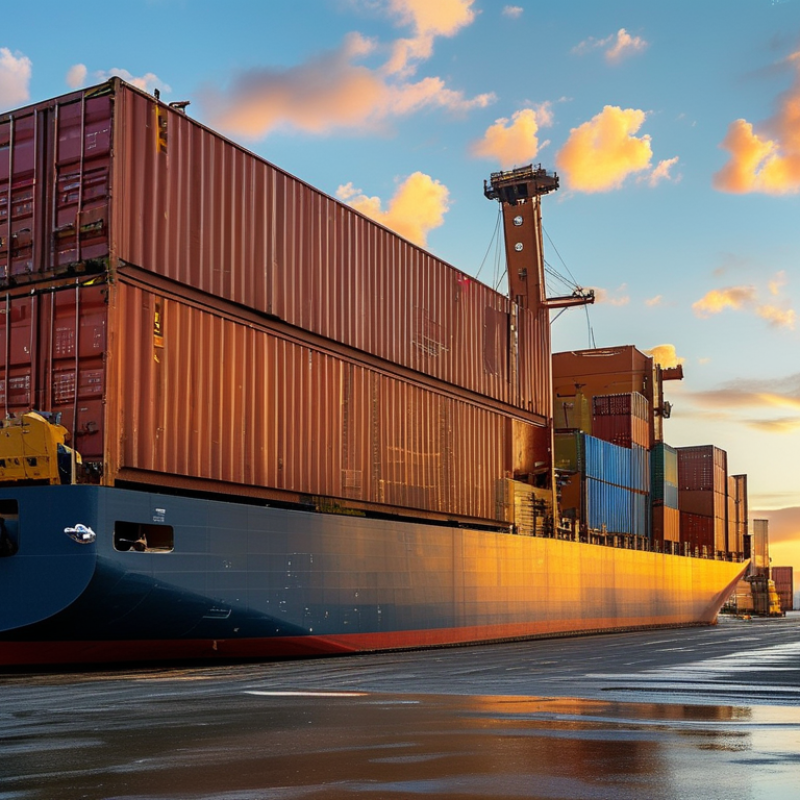
Large Shipping Container Options for Global Buyers?

Types of Large Shipping Containers Available for Global Buyers

Large shipping containers play a crucial role in global trade. Buyers have numerous options to choose from. Understanding these types can enhance purchasing decisions. Common large shipping containers include standard, high cube, and open-top options. Each type serves distinct needs in shipping and storage.

Standard containers are versatile and widely used. They are available in 20-foot and 40-foot lengths. High cube containers offer an additional foot in height, providing more storage space. These containers are ideal for bulkier cargo. Open-top containers are suitable for oversized goods, allowing loading from the top.

When selecting a container, consider the cargo type. Proper measurements ensure the right fit. Remember that some containers may require special handling. Always inspect containers before purchase. This practice can reveal hidden issues. Research suppliers to ensure reliability and positive reviews. Quality matters in long-term use.

Large Shipping Container Options for Global Buyers

Container Type Dimensions (L x W x H) Capacity (CBM) Weight Capacity (KG) Common Uses
Standard Container 20' x 8' x 8.5' 33.2 30,480 General cargo
High Cube Container 40' x 8' x 9.5' 76.4 30,480 Bulky items, equipment
Reefer Container 40' x 8' x 9.5' 67.7 28,000 Temperature-sensitive goods
Open Top Container 40' x 8' x 8.5' 76.4 30,480 Heavy machinery, bulk cargo
Flat Rack Container 40' x 8' x 8.5' 76.4 40,000 Heavy and oversized cargo

Key Features to Consider When Choosing Large Shipping Containers

When selecting large shipping containers, buyers must consider several critical features. The container size is essential. Common lengths are 20 and 40 feet, but custom sizes are available. Buyers should think about their specific needs. A container that is too large may incur unnecessary costs. On the other hand, a small container may require more trips, wasting time and resources.

Another important factor is durability. High-quality containers are built to withstand harsh conditions during transit. Look for corrosion-resistant materials and secure locking mechanisms. Inspecting for any structural damage is wise. Even minor flaws can lead to significant issues down the line. Additionally, ventilation options can help prevent moisture buildup inside.

Buyers often overlook modifications. Customizing containers can enhance functionality for unique needs. Windows, insulation, and shelving may be necessary, depending on what will be stored or transported. Engaging with experts can offer valuable insights into these modifications. Understanding local regulations is crucial as well. This ensures all containers meet compliance requirements.

Benefits of Sourcing Large Shipping Containers Internationally

When sourcing large shipping containers internationally, benefits abound for global buyers. The global shipping container market is projected to reach USD 4.5 billion by 2027, with an anticipated compound annual growth rate (CAGR) of 4.5%. This growth reflects a rising demand for containers in multiple sectors, including construction and retail. Sourcing containers from trusted manufacturers can ensure quality and durability. International sourcing expands options, allowing buyers to select containers that suit their specific needs.

Tips for purchasing large containers include assessing the container's condition. Experienced buyers often recommend inspecting for rust or structural defects. Consider the dimensions carefully to align with your logistical needs. Shipping costs can vary based on location, so calculate these details before deciding. Analyze current market trends. For instance, a report from the International Maritime Organization highlights that container shipping efficiency improved by 10% in recent years. Tracking such trends can inform your purchasing choices and timing.

However, the process isn't without challenges. Availability might fluctuate due to supply chain disruptions, affecting lead times. Additionally, navigating international regulations can be complex, potentially complicating shipments. It's essential to stay informed and consider updating your sourcing strategies as global dynamics shift.

Logistics and Shipping Considerations for Large Containers

When considering large shipping container options, logistics play a crucial role. Proper planning can reduce delays and additional costs. Buyers should assess shipping routes and potential obstacles. Understanding port capacities and regulations is essential. Some ports have restrictions on container sizes, affecting transport schedules.

Shipping large containers also requires robust partnerships with freight forwarders. It’s vital to choose a firm experienced in handling oversized cargo. Their insights can streamline the process. Empty containers take space, impacting storage options. Finding local facilities that accommodate large containers can be challenging. Consider these factors during the planning phases.

Lastly, fluctuating shipping rates often complicate budgeting. Staying informed about market trends can help in negotiating better deals. Transparency with suppliers regarding shipping constraints is crucial. Unforeseen delays can arise from customs inspections or marine conditions. Being prepared for such situations often determines success in logistics.

Market Trends Affecting Large Shipping Container Supply and Demand

The global market for large shipping containers is influenced by various trends. According to the latest report by industry analysts, demand for these containers is expected to rise by 4.5% annually until 2025. As economies recover from the pandemic, the need for logistics and transportation increases. Additionally, the boom in e-commerce plays a significant role in driving this demand.

Market disruptions due to geopolitical tensions and supply chain challenges add complexity to container supply. A significant report indicated that container manufacturing capacity may not keep pace with demand. This situation forces companies to adapt quickly to changing conditions. High freight rates are becoming a concern for global buyers, complicating procurement strategies.

Buyers should research market conditions regularly. Understanding regional manufacturing capabilities can provide an edge. Staying informed about shipping logistics can also minimize unexpected costs. Flexibility in container specifications can lead to better deals. Always consider backup suppliers to mitigate disruptions.

Large Shipping Container Supply and Demand Trends

The following chart illustrates the supply and demand trends for large shipping containers over the last five years, reflecting the effects of market fluctuations and global shipping needs.

Call free on
0800 1954 538