Using a 20 ft high cube container can transform your storage and shipping needs. This container offers extra height, providing more room for valuable items. Many businesses rely on it for effective space management. It is ideal for bulky goods and seasonal storage.
When organizing your 20 ft high cube container, consider how items will stack. Efficient use of space can save you money. Labeling boxes is a simple yet effective method. However, it can be challenging to maximize every inch.
Not every setup will be perfect. You might overlook some areas when packing. Reflecting on your process can help you improve. Embracing the versatility of a 20 ft high cube container allows for both efficiency and flexibility in logistics.
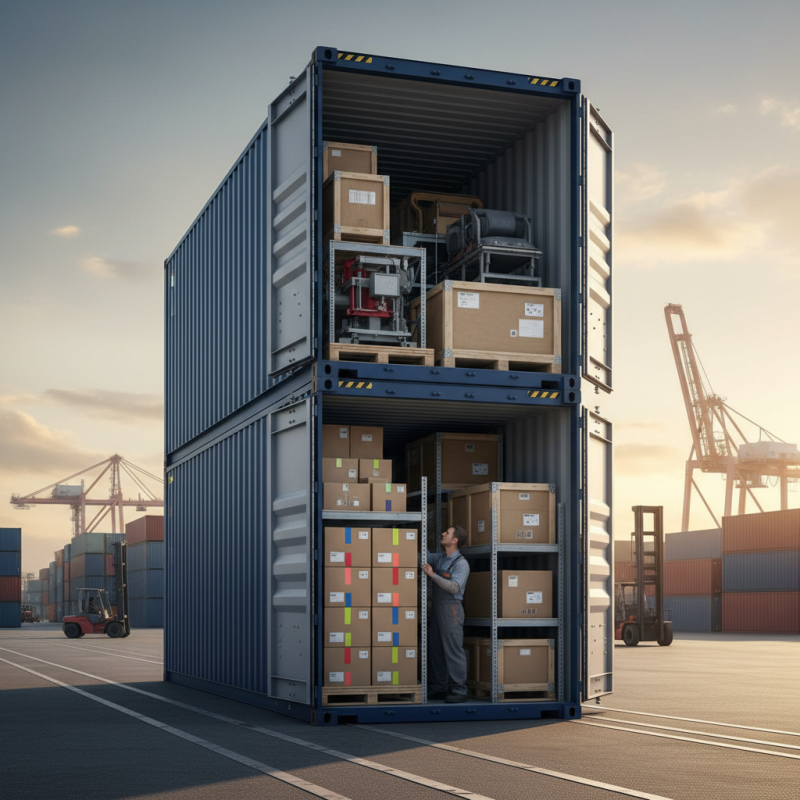
The 20 ft high cube container is a versatile option for storage and shipping. Its standard dimensions include a length of 20 feet, a width of 8 feet, and a height of 9.5 feet. This extra foot in height provides significant additional space. The overall cubic capacity reaches about 1,169 cubic feet. It's crucial to understand these dimensions when planning your storage needs or shipping logistics.
When loading your container, consider the weight distribution. Placing heavier items at the bottom is advisable. This helps maintain stability during transport. Remember that overloading may lead to damage or accidents. Check weight limits to ensure safe shipping. Ensure you secure your goods properly to avoid shifting during transit.
Tips: Make use of vertical space. Stacking boxes can maximize storage efficiency. Consider clear labeling for easy identification. Labeling helps save time when unloading. Always inspect the container before use. Look for any signs of damage or rust. A well-maintained container ensures better protection for your goods. Reflect on these factors to enhance your storage strategy.
| Dimension | Measurement | Capacity | Weight Limit |
|---|---|---|---|
| External Length | 20 ft (6.058 m) | 1,172 cu ft (33.2 m³) | 52,910 lbs (24,000 kg) |
| External Width | 8 ft (2.438 m) | ||
| External Height | 9.5 ft (2.896 m) | ||
| Internal Length | 19.4 ft (5.898 m) | ||
| Internal Width | 7.7 ft (2.352 m) | ||
| Internal Height | 8.5 ft (2.591 m) |
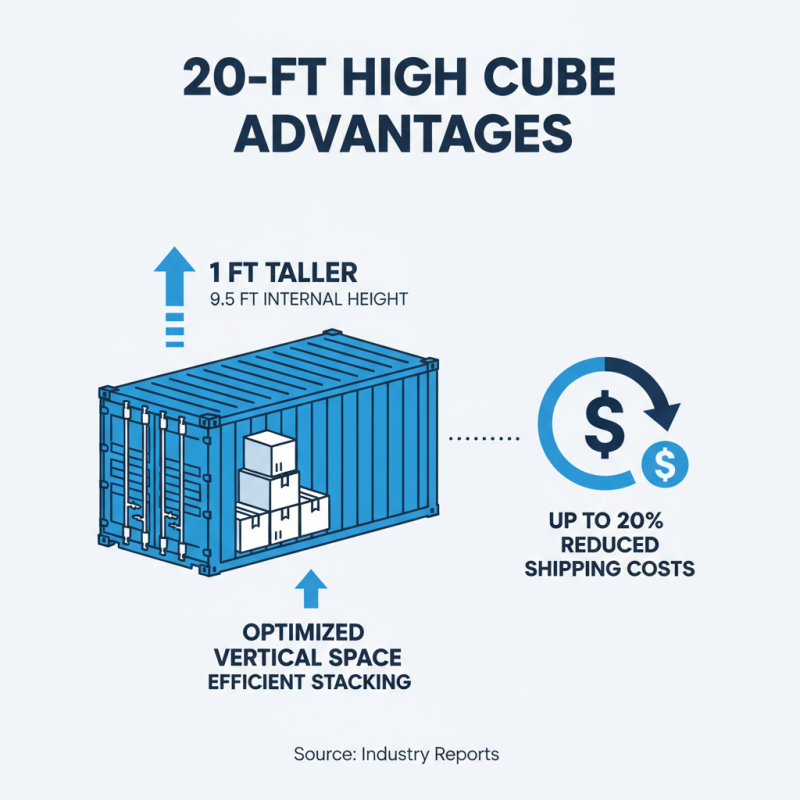
Using a 20 ft high cube container for storage and shipping offers numerous advantages. This container type provides an extra foot of height, optimizing vertical space. With an internal height of about 9.5 feet, it allows for stacking items efficiently. According to industry reports, maximizing container space can reduce shipping costs by up to 20%.
These containers are durable and weather-resistant, protecting items from environmental elements. A study by the Container Owners Association indicated that proper use of shipping containers can extend the lifespan of stored goods. This is particularly beneficial for businesses storing seasonal items or equipment.
**Tip:** Always secure loose items when packing. This prevents movement during transit, ensuring all contents arrive safely.
The versatility of the 20 ft high cube container is notable. They can accommodate goods ranging from furniture to heavy machinery. However, not every item fits perfectly. Consider weight distribution and the dimensions of your goods. Improper stacking may lead to damage or inefficiency.
**Tip:** Use pallets for easier loading and unloading. This can simplify access and protect the bottom of stored items.
In conclusion, while these containers are immensely useful, careful planning is crucial. Reflect on your storage needs and ensure you choose the right container type to prevent last-minute challenges.
When using a 20 ft high cube container for storage and shipping, proper loading and packing are crucial. Statistics show that improper packing can lead to 30% of damage during transit. To avoid such losses, use pallets to create a stable floor in the container. This allows for better weight distribution and prevents excessive shifting.
Strategically packing items is another best practice. Place heavier items on the bottom and lighter ones on top. This strategy not only utilizes vertical space but also minimizes the risk of damage. According to a report by the World Trade Organization, effective space management can increase capacity by up to 25%. Utilize void fill materials to reduce movement within the container.
Be mindful of air circulation. Containers can trap moisture, leading to potential damage. Consider using desiccants to absorb excess humidity. Additionally, keep an eye on the packing schedule. Rushing the process often leads to errors and accidents. Reflect on previous loading experiences to improve your approach. Small changes can lead to significant improvements in the long run.
This chart displays the storage efficiency of different item categories in a 20 ft high cube container. Each category's volume usage is vital for optimal loading and packing strategies, ensuring maximum space utilization and effective shipping logistics.
When considering shipping with a 20 ft high cube container, several factors come into play. The extra height compared to standard containers allows for more volume. This is beneficial for bulky goods or when stacking items. However, it's crucial to weigh the added shipping costs. Higher dimensions could lead to increased fees.
Another aspect is weight distribution. Properly packing the container is essential to prevent tipping during transit. Too much weight on one side can cause serious issues. It may not be obvious, but checking the center of gravity can save plenty of trouble. Also, securing items with adequate tie-downs can avoid movement.
Ventilation is another area to reflect on. High cube containers often lack sufficient air circulation. This might lead to condensation or moisture buildup. Using desiccants can help, but consider the consequences. Leaving items unattended without proper air flow is risky. Deliberate planning can make the shipping process smoother, yet it always requires a thoughtful approach.
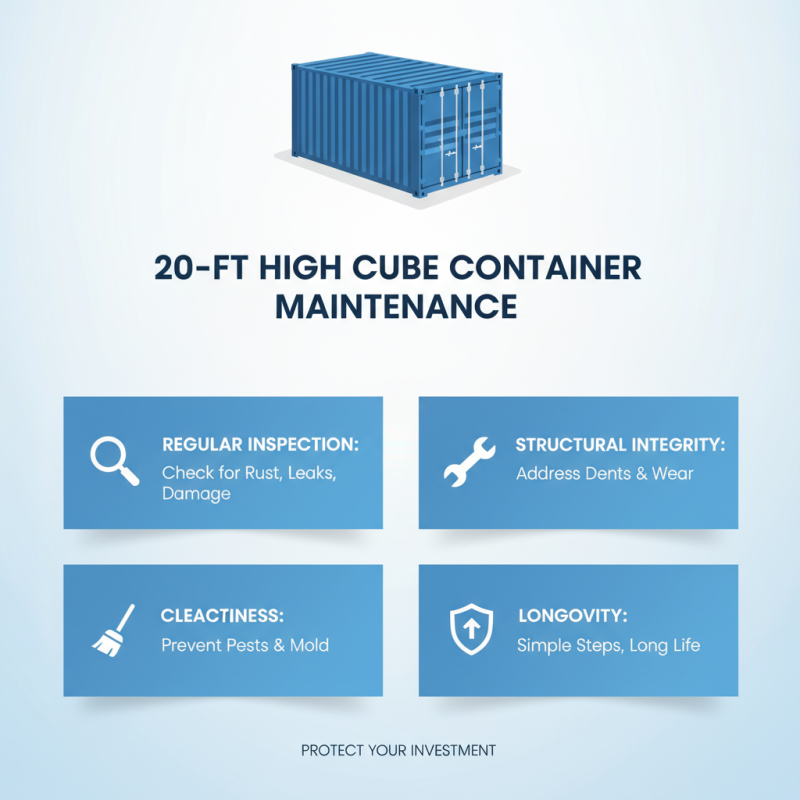
Maintaining a 20 ft high cube container requires attention to detail. Regular inspection is crucial. Check for rust, leaks, and structural damage. Even minor dents can lead to bigger problems. Keep the container clean and free of debris. A clear space prevents pests and mold. This simple step increases longevity.
Sealing gaps is important. Use weather stripping on doors and windows to prevent moisture. Moist environments lead to deterioration. Consider using desiccants inside the container. They absorb humidity, keeping the interior dry. A dry environment protects stored items effectively.
Remember, maintenance is ongoing. Regular checks ensure safety and usability. Don't ignore the little things. Small issues can quickly escalate if left unaddressed. A well-maintained container serves its purpose longer. Reflect on your practices and make adjustments as needed.